


MAKING THE INVISIBLE VISIBLE

Air-in-Oil Contamination Intelligence.

deepfluid makes air-in-oil and bubble behaviour visible, measurable and comparable — creating one data language from lab analysis to testing and field insight.

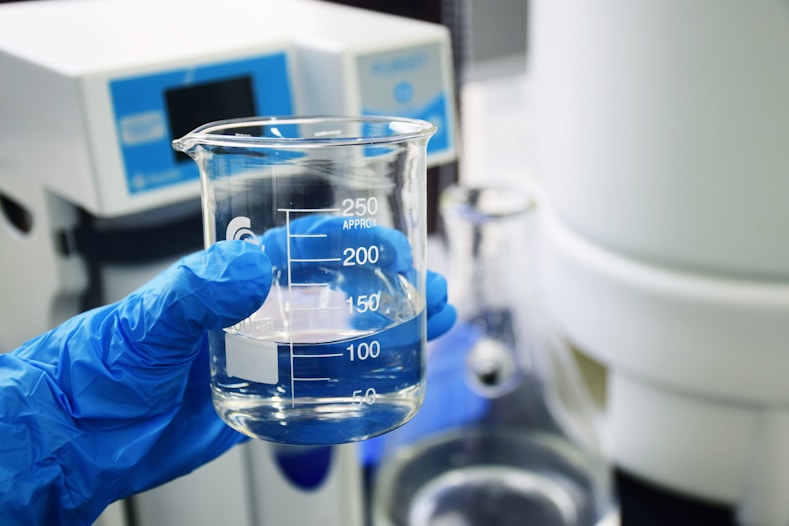
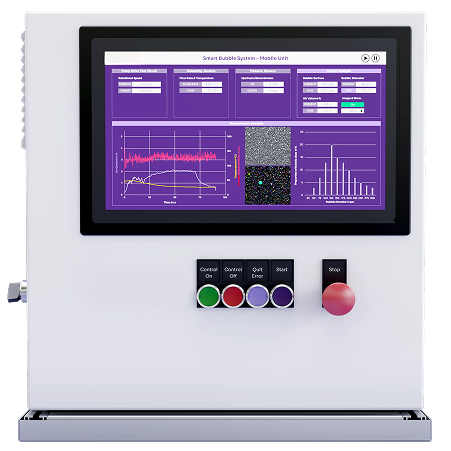
deepfluid lab device for real-time oil contamination monitoring
Technical Enviroments
3
Unique Bubble Metrics
5
Shared Data Language
1

problem statement

Air bubbles, microbubbles and foam-related effects can influence efficiency, stability, wear, oxidation and system behaviour long before they become visible as foam, noise, temperature rise or failure.

deepfluid helps engineering, testing and reliability teams detect hidden air-in-oil behaviour earlier — using direct optical evidence and comparable bubble metrics instead of relying only on indirect assumptions.

Technology

Not just how much air is in the oil — but how it behaves.

The same air content can represent very different physical realities. A few large bubbles behave differently than thousands of fine microbubbles. deepfluid converts optical bubble evidence into measurable KPIs that help teams compare fluids, test runs and operating conditions with greater confidence.

What causes Failures

Air Bubbles Icon

Air Content & Bubble Count

Quantifies the air volume fraction in the oil and tracks how air content and bubble structures change over time.

Water Droplets Icon

Bubble Size & Distribution

Shows whether air is present as fine microbubbles, larger bubbles or changing bubble regimes across the measurement.

Particles Icon

Oil-Air Contact Surface

Calculates the interface area between oil and air bubbles — relevant for oxidation, air release, foam tendency and reaction potential.

How it works

Solutions

One Data Language from Lab to Field

deepfluid connects controlled lab analysis, test bench validation and real operating insight through one shared air-in-oil measurement logic. This makes bubble behaviour comparable across samples, test runs, systems and operating conditions — from early fluid evaluation to technical decision-making in the field.

LAB

Controlled fluid analysis

Create repeatable baseline data for lubricant comparison, additive evaluation and controlled air-in-oil behaviour under defined sample conditions.

  • Air intake & release value
  • Bubble size distribution
  • Oil-air contact surface
  • Lubricant and additive comparison
  • Repeatable sample evidence
FIELD

Component-based validation

Understand how load, temperature, speed, geometry and system design influence air-in-oil behaviour during development and validation of components and systems.

  • Dynamic air behaviour under test conditions
  • Root-cause evidence
  • Efficiency and stability context
  • Scenario and variant comparison
  • Validation-ready bubble KPIs
FIELD

Real operating insight

Make hidden air-in-oil changes visible under real operating conditions and connect real-time field monitoring back to lab and testing evidence - using one shared data language.

  • Dynamic air release behaviour
  • Transient bubble events
  • Operating-state trends
  • Field-to-test correlation
  • Evidence for service and reliability decisions
Detection accuracy
> 90 %
Smallest detectable bubble
> 15 µm
Plug-and-Measure
< min
Optical evidence
90 %

Technological Information

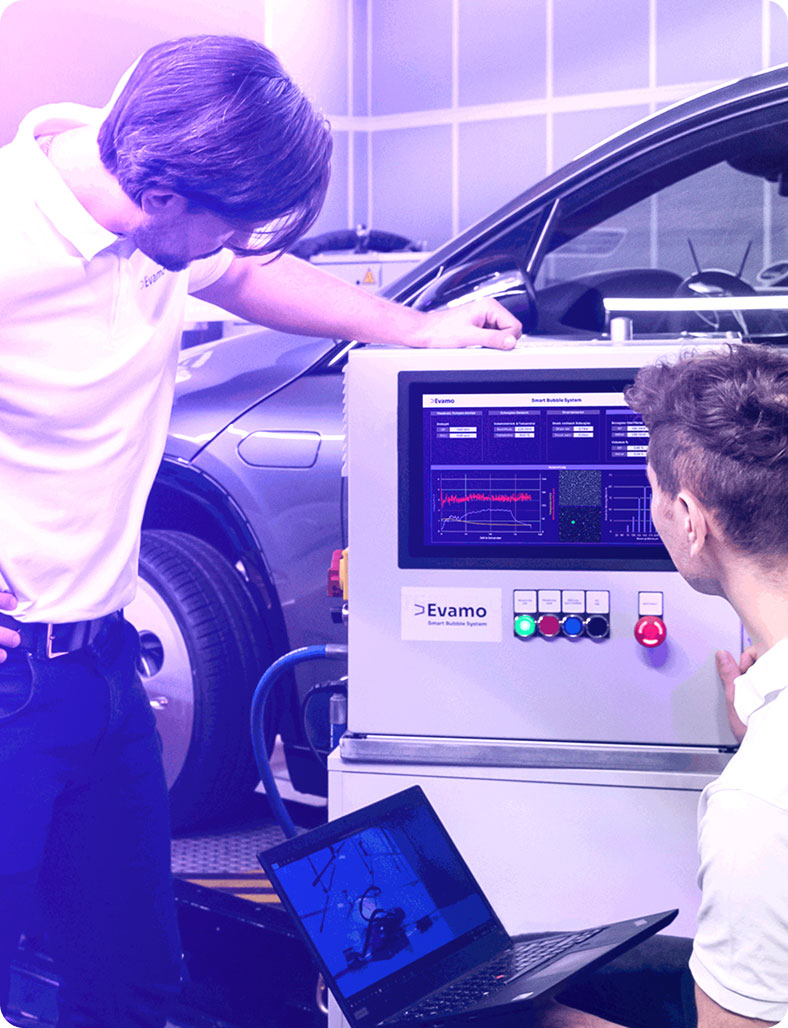
Two engineers looking at the deepfluid oil device infront of a car.

Technical Specifications

Specification

Details

Air Content

Quantifies the air volume fraction in oil.

Bubble Count

Shows how many bubbles are detected in the measurement context.

Bubble Size Distribution

Reveals whether air appears as fine microbubbles, larger bubbles or changing bubble regimes.

Oil-Air Contact Surface

Calculates the interface area between oil and air bubbles.

Air Intake & Release Behaviour

Tracks how much air the oil absorbs, as well as the rate and behavior at which it releases it

Evidence Snapshots

Links KPI values and timestamps with optical image evidence for traceability and interpretation.

Plug-and-Measure

Plug-and-play, export-ready, traceability support

USE CASES & CASE STUDIES

Real measurement questions. Real technical evidence.

deepfluid is built for technical teams that need more than assumptions. Explore how direct optical air-in-oil evidence can support lubricant development, field investigations, gearbox validation and simulation workflows.

evidence

where it’s used

Lubricants & Additives

Lubricant comparison, anti-foam additive evaluation, air release testing, formulation screening.

Gearboxes & E-Drives

Gearbox testing, e-drive validation, lubrication circuits, efficiency investigations, thermal and stability analysis.

Hydraulic Systems

Hydraulic pumps, tanks, valves, cylinders, return lines, suction-side investigations and hydraulic power units.

Filtration

Filter performance evaluation, oil conditioning systems, air entrainment analysis, fluid cleanliness context and system optimization.

Test Benches & Validation

Drivetrain test benches, gearbox validation, hydraulic component testing, lubricant comparison and system variant testing.

Wind Energy

Wind turbine gearboxes, lubrication systems, field measurements, leakage investigations and oil condition monitoring.

Marine & Energy Systems

Large oil volumes, lubrication systems, hydraulic systems, propulsion-related components and reliability-critical assets.

Off-Highway & Heavy Machinery

Construction machinery, agricultural machinery, mobile hydraulics, load-changing systems and harsh operating environments.

FAQ

Questions answered.

Questions engineers, testing teams and reliability experts ask about air-in-oil.

What is air-in-oil measurement?

Air-in-oil measurement quantifies how much air is present in oil and how that air behaves as bubbles, microbubbles or foam-related structures. deepfluid focuses on making air bubbles in oil visible, measurable and comparable using direct optical evidence and image-based analysis.

This helps teams understand not only whether air is present, but also how it appears, changes and influences technical interpretation.

deepfluid uses optical measurement and image-based analysis to detect air bubbles in oil and convert visual evidence into comparable air-in-oil KPIs. These KPIs can include air content, bubble count, bubble size distribution, oil-air contact surface and air release behaviour.

The goal is to move from indirect assumptions toward measurable evidence about what happens inside the fluid.

deepfluid focuses on air-in-oil metrics such as air content, bubble count, bubble size distribution, oil-air contact surface, air release behaviour and optical evidence snapshots. These metrics help describe not only how much air is present, but how that air behaves in the oil.

This is important because two fluids can show similar air content but very different bubble structures and technical behaviour.

Bubble size distribution shows whether air is present as many fine microbubbles, fewer large bubbles or changing bubble regimes. This matters because bubble size influences residence time, compressibility effects, foam tendency, oil-air contact surface and how air moves through a system.

A single air-content value alone does not fully explain how air behaves in oil.

Oil-air contact surface describes the estimated interface area between oil and air bubbles. A fluid with many fine bubbles can create a much larger contact surface than a fluid with fewer large bubbles, even if the total air content appears similar.

This metric can be relevant for oxidation, foam tendency, reaction potential and the interaction between air, oil and additive chemistry.

The air intake and release (AIR) behaviour describes how much air your oil absorbs and bubble structures change over time – after defined test steps or under operating conditions. It helps teams understand whether air remains entrained, separates quickly or changes dynamically with pressure, temperature, speed or load.

For lab, testing and field applications, this can support better comparison of fluids, designs and operating states.

In lab-oriented applications, deepfluid can support lubricant comparison, anti-foam additive evaluation and formulation screening by measuring air intake, air release, bubble size distribution and oil-air contact surface under defined conditions.

This helps lubricant and additive teams compare fluid behaviour with more direct evidence than visual foam observation alone.

The best starting point depends on your technical question. Lab is suitable for controlled lubricant or additive comparison, Testing is suitable for validation and root-cause analysis, and Field is suitable for investigating real operating behaviour.

You can request a demo or describe your fluid, system or measurement challenge so the deepfluid team can recommend the right starting point.

Still have questions?

Let us help you with your questions. From fluid to intelligence.

David Placzek

request demo

See what your oil has been hiding.

Tell us about your challenges and we’ll show you exactly what deepfluid can do for you. No obligation, real data.